



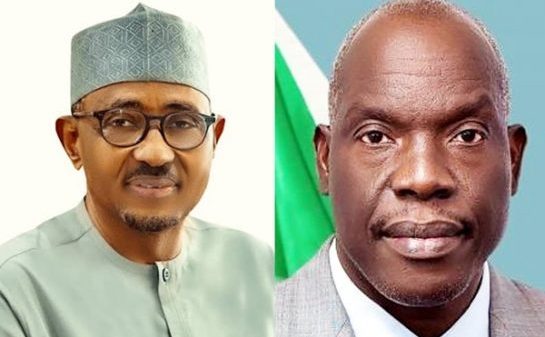














Africa’s richest man, Aliko Dangote, has launched a formal corruption complaint against Nigeria’s petroleum regulator. Dangote petitioned ICPC against NMDPRA Managing Director, Farouk Ahmed, on December 16.
The billionaire industrialist alleges serious financial impropriety and corruption by the public official.
Consequently, the petition has sent shockwaves through Nigeria’s oil and gas industry. Moreover, the allegations involve suspected spending of over $7 million without lawful income. Additionally, this development escalates the ongoing tension between Dangote Group and petroleum regulatory authorities.
Dangote’s petition specifically accuses Farouk Ahmed of living significantly above his official means. The NMDPRA boss allegedly spent over $7 million on his children’s education abroad. Furthermore, the expenditure reportedly covered schooling for four children in Switzerland simultaneously.
Meanwhile, the petition questions how a public servant could afford such expenses. The alleged spending covered a six-year period with full upfront payment made. Therefore, Dangote demands thorough investigation into the source of these substantial funds immediately.
Petition Details and Legal Demands
The petition was formally submitted through Dangote’s lawyer, Ogwu Onoja, on Monday. It was received by the office of the ICPC Chairman for official action. Moreover, Dangote specifically demands Ahmed’s arrest, investigation, and subsequent prosecution for alleged offenses.
Additionally, the petition highlights the lack of evidence supporting lawful income sources. The complaint alleges financial impropriety inconsistent with a civil servant’s legitimate earnings. Subsequently, ICPC is now expected to commence preliminary investigations into these serious allegations.
![UPDATED [Alleged Corruption] Dangote Submits Petition To ICPC Against NMDPRA MD Ahmed • Channels Television](https://www.channelstv.com/wp-content/uploads/2025/12/WhatsApp-Image-2025-12-16-at-15.51.50-750x1024.jpeg)
The petition focuses heavily on education expenses for Ahmed’s four children abroad. All four children reportedly attended different schools in Switzerland over six years. Furthermore, the entire tuition was allegedly paid upfront in a single transaction.
Meanwhile, sources estimate Swiss boarding school fees can exceed $100,000 annually per child. Simple calculations suggest the total expenditure could easily surpass $7 million cumulatively. Therefore, questions arise about how a Nigerian public official afforded such expenses.
The Independent Corrupt Practices Commission is now under pressure to act swiftly. The petition from one of Africa’s wealthiest businessmen carries significant weight publicly. Moreover, the detailed allegations demand thorough investigation by anti-corruption authorities immediately.
Furthermore, legal experts predict the case will attract intense public and media scrutiny. The outcome could have far-reaching implications for Nigeria’s petroleum regulatory framework. Additionally, it may influence future accountability measures for public officials managing strategic sectors.
Background of Dangote-NMDPRA Tensions
This petition comes amid ongoing disputes between Dangote Group and petroleum regulators. The relationship has been strained over various regulatory and operational issues recently. Consequently, industry observers view this petition as a significant escalation of tensions.
Moreover, Dangote Refinery has faced multiple regulatory challenges since its commissioning process began. Some industry analysts suggest the petition reflects deeper frustrations with regulatory bottlenecks. Therefore, the corruption allegations may represent a strategic move in ongoing battles.
The corruption petition could have major ramifications for Nigeria’s petroleum industry governance. Public trust in regulatory bodies may be further tested by these allegations. Furthermore, the case highlights concerns about accountability among officials overseeing strategic sectors.
Additionally, international investors closely watch how corruption allegations are handled in Nigeria. Swift and transparent investigation could boost confidence in Nigeria’s anti-corruption efforts significantly. Ultimately, the ICPC’s response will signal the country’s commitment to accountability standards.